



The Role of Cognitive Biases in Gambling
Cognitive biases significantly influence the decision-making processes of gamblers. One of the most prevalent biases is the illusion of control, where players believe they can affect the outcome of games of chance, such as slots or roulette. This misconception can lead to overconfidence, resulting in more frequent bets and larger wagers, as gamblers chase losses in the hope of recapturing their previous winning streaks. Additionally, many players seek out the best non Gamstop casinos to enhance their gambling experiences.
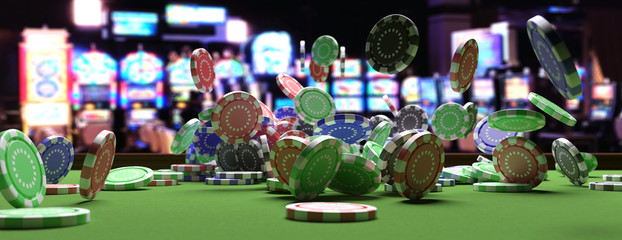
Another key bias is the gambler’s fallacy, where individuals think that past events will influence future outcomes. For instance, if a particular number hasn’t appeared in a while, players may believe it is «due» to come up. This thought process can significantly shape betting strategies, often leading to irrational choices that do not align with the actual odds of the game.
The Importance of Emotional Management
Successful casino strategies often hinge on effective emotional management. Gambling can evoke a wide range of emotions, from euphoria to despair, and players must learn to navigate these feelings to make rational decisions. High levels of excitement or frustration can cloud judgment, leading to impulsive betting or excessive risk-taking. Therefore, maintaining emotional equilibrium is crucial for anyone looking to employ successful gambling tactics.
Players can practice emotional regulation through various techniques such as mindfulness, which helps in recognizing emotional triggers and establishing a more balanced approach to gambling. By acknowledging rather than suppressing emotions, individuals can better manage their responses and enhance their overall gaming experience.
The Impact of Social Influences
Social dynamics play a crucial role in shaping gambling behaviors. Whether it’s the excitement of a live poker game or the camaraderie found at a blackjack table, the social environment can heavily influence strategic choices. Observing peers can lead to a contagious enthusiasm that drives players to adopt aggressive betting strategies they might not typically engage in alone.
Moreover, social approval can fuel riskier behaviors, compelling players to bet more or engage in games outside their usual comfort zone. Therefore, understanding the impact of social influences is essential for developing a coherent and personalized gambling strategy that aligns with one’s financial and emotional well-being.
The Psychology of Reward Systems
The fundamental principles of reward systems are pivotal in understanding why certain strategies succeed in casino environments. When players experience wins, their brains release dopamine, a neurotransmitter that creates feelings of pleasure and reinforces behavior. This biological response can lead to a cycle of chasing wins and engaging in riskier play, which can be detrimental over time.
Creating structured gambling strategies that incorporate breaks and self-imposed limits can help mitigate these effects. By fostering a more disciplined approach, players can enjoy the thrill of gambling without succumbing to impulsive behaviors driven by the desire for immediate gratification.
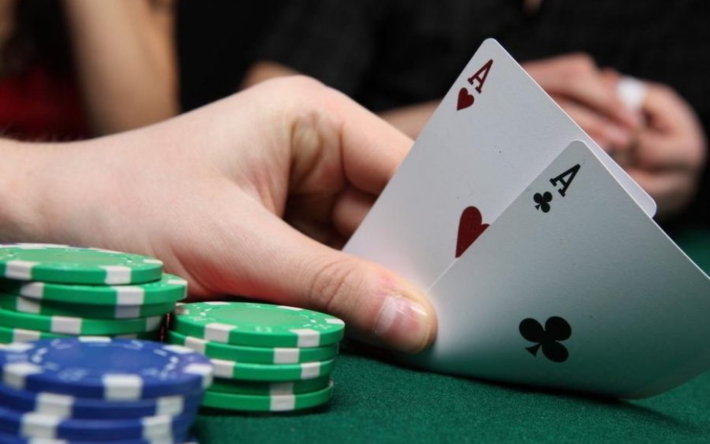
Ensuring a Safe Gambling Environment
Understanding the psychology behind gambling strategies also involves recognizing the importance of safety and security in the gambling experience. Websites dedicated to providing a secure gambling environment help protect users from various online threats while ensuring a pleasurable gaming experience. When players feel safe, they are more likely to engage thoughtfully with their strategies rather than succumbing to risky behaviors fueled by anxiety or fear.
Communication with operators regarding access issues or security concerns is vital. A transparent approach fosters trust and allows players to focus on their gameplay while adhering to their strategies without unnecessary distractions. This balance of psychological understanding and secure practices leads to improved decision-making and an overall enhanced gambling experience.