



Understanding the psychological tactics that influence casino gambling behavior
The Role of Reward Systems in Gambling
One of the most significant psychological tactics employed by casinos revolves around reward systems. These systems are meticulously designed to trigger the brain’s pleasure centers, often leading to a cycle of repeated play. Players are incentivized through bonuses, free spins, and jackpots, creating an immediate sense of gratification. In this context, finding the best online casino with instant withdrawal can be essential for those looking to engage swiftly with their winnings. This instant reward can become addictive, as the anticipation of winning spurs players to continue gambling in hopes of experiencing that rush again.
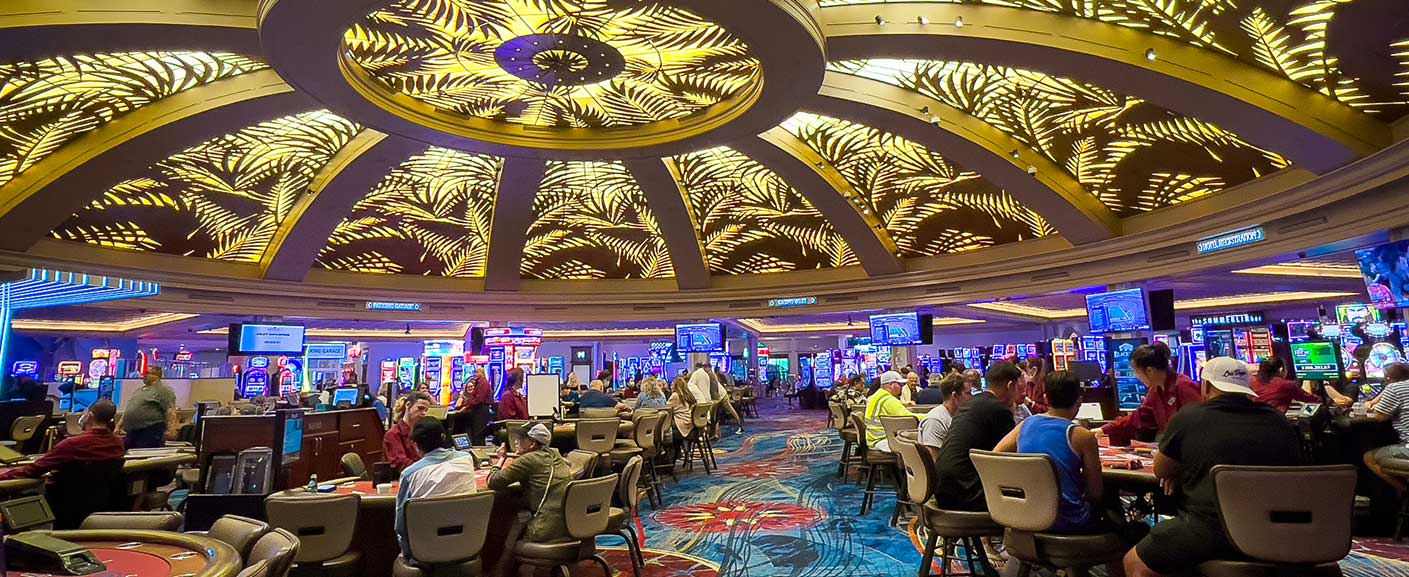
Moreover, the design of slot machines and other games further enhances this reward system. For example, the use of bright lights and engaging sounds can amplify feelings of excitement when a player wins, creating an association between these stimuli and the gambling experience. This sensory stimulation is strategically crafted to keep players engaged and returning for more, making it a powerful psychological tool in casino environments.
The Illusion of Control
Another prominent tactic is the illusion of control, where gamblers believe they can influence the outcome of games through their skill or choices. This belief is particularly strong in games like poker or blackjack, where players can apply strategy. Casinos exploit this psychological phenomenon by emphasizing decision-making aspects, which can lead to overconfidence and increased playtime. When players feel in control, they are less likely to recognize the inherent risks involved in gambling.
This perception is further manipulated through the design of games that provide choices, even if these choices do not significantly affect the outcome. The more players feel they are in control, the more likely they are to engage in risky behavior, often betting more than they originally intended. This tactic not only extends playtime but also increases the likelihood of losses, as players become more invested in the outcomes they believe they can influence.
The Impact of Social Proof
Social proof is a compelling psychological tactic that influences gambling behavior, particularly within social settings. When individuals see others winning or enjoying themselves at a casino, they are more likely to join in, believing that they too can replicate that success. This phenomenon is amplified by the visible excitement and energy of the environment, which can create a herd mentality where individuals feel compelled to participate.
Casinos often leverage this tactic by displaying real-time statistics of wins and highlighting successful players. These strategies foster a sense of community and camaraderie among gamblers, making it more likely that new players will engage in gambling activities. This social reinforcement can lead to prolonged gambling sessions, as individuals feel validated by their peers’ actions and the overall atmosphere of the casino.
The Use of Loss Aversion in Gambling
Loss aversion is a psychological principle suggesting that individuals prefer to avoid losses rather than acquiring equivalent gains. In the context of gambling, this principle is utilized to keep players engaged even when they are losing. Casinos design their games to provide a sense of ‘near misses,’ where players come close to winning, thus encouraging them to continue playing in hopes of overcoming their losses.
This tactic effectively capitalizes on the emotional impact of losing, prompting players to chase their losses, which can lead to a downward spiral of increased bets and higher stakes. The more players focus on what they could have won, the more likely they are to disregard their original losses, perpetuating a cycle that benefits the casino financially.

Insights into Responsible Gambling
Understanding these psychological tactics is essential for promoting responsible gambling practices. As players become aware of how casinos utilize these strategies, they can make more informed decisions and recognize the signs of potential gambling addiction. Resources and support systems should be emphasized to aid individuals in managing their gambling behavior effectively.
Ultimately, fostering a safe gambling environment is crucial for both players and operators. By staying informed about the psychological tactics at play, individuals can enjoy their gaming experience responsibly, ensuring it remains a source of entertainment rather than a pathway to financial distress. The need for awareness and education around these tactics is more important than ever in today’s gambling landscape.